
Wood Chipping Innovations: Turning Waste into Biofuel Resources
February 19, 2026
10 Common Gardening Mistakes Grabouw Homeowners Make (And How to Fix Them Fast)
March 5, 2026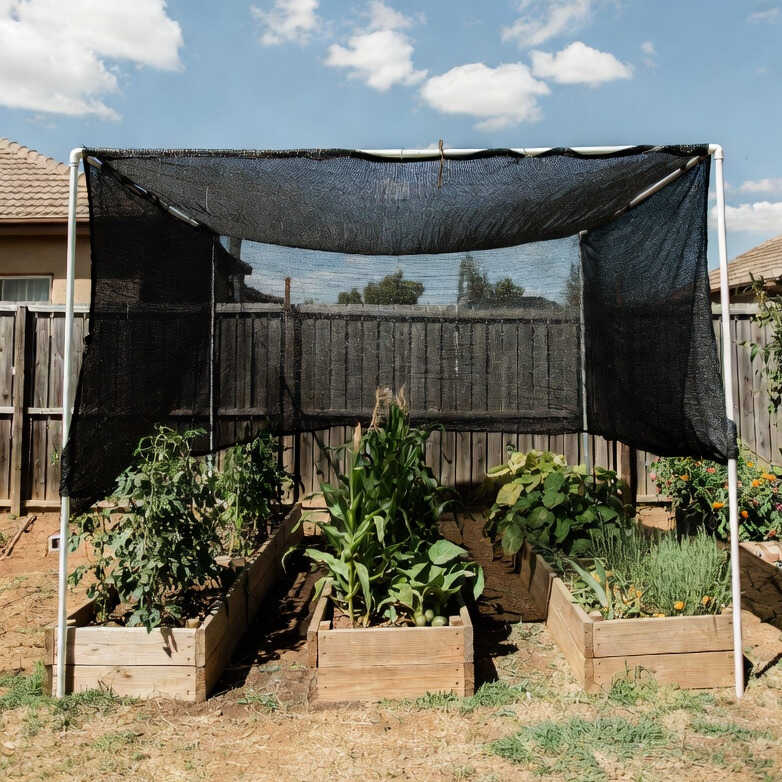
South African summers can scorch even the hardiest gardens. High temperatures, strong sunlight, and erratic rainfall create stress that slows growth and damages crops. These 7 ways to beat heat stress focus on practical steps that go beyond generic advice, keeping your garden productive and resilient.
1. Layer Organic Mulch Strategically
Instead of a uniform mulch layer, use different materials for different plants. Straw works well around vegetables to keep soil moist, while bark chips around shrubs prevent root overheating. Apply thicker layers under young trees where sunlight is most intense.
2. Use Targeted Watering Techniques
Rather than just watering early or late, focus on deep, infrequent watering. For vegetable beds, bury small clay watering spikes or DIY plastic bottles with holes to feed roots slowly. This trains roots to grow deeper, increasing heat resilience.
3. Create Micro-Shade Zones
Use trellises, netting, or fast-growing climbers like cowpea or morogo to provide temporary shade. Even large leaves of companion plants like pumpkins or squashes can shield smaller crops from midday sun.
4. Select South African Heat-Adapted Varieties
Beyond general “drought-tolerant” advice, choose cultivars proven in your region. Varieties like Perdegras tomatoes, Tsamma melons, or Cape Spinach withstand high temperatures and keep producing when standard crops falter.
5. Build Soil Moisture Retention Naturally
Mix biochar or coarse compost into sandy soils. These amendments absorb water like a sponge, slowly releasing it to plant roots. This helps maintain soil structure and keeps roots cooler than using sand alone.
6. Strategic Pruning and Leaf Management
Instead of heavy pruning, remove only shaded leaves that trap heat or show disease. For fruiting plants, trim selectively to increase airflow while leaving sun-protective leaves intact, reducing stress without exposing roots.
7. Cool Plants with DIY Mist Systems
Use a fine misting spray on large shrubs or vegetable beds during peak heat. Position sprinklers above the canopy in the morning to gently reduce leaf temperature. Avoid wetting at night to prevent fungal growth.
Final Thoughts
Implementing these 7 ways to beat heat heat stress helps your garden survive the hottest months without sacrificing growth. By combining soil improvements, smart watering, shade strategies, and heat-adapted varieties, your garden can remain lush, productive, and resilient even under intense summer conditions.