Holiday Garden Cleanup: Prune, Chip & Tidy Up Before Christmas
December 10, 2025
Drought-Resistant Grasses & Groundcovers: For the Water-Wise Gardener
January 13, 2026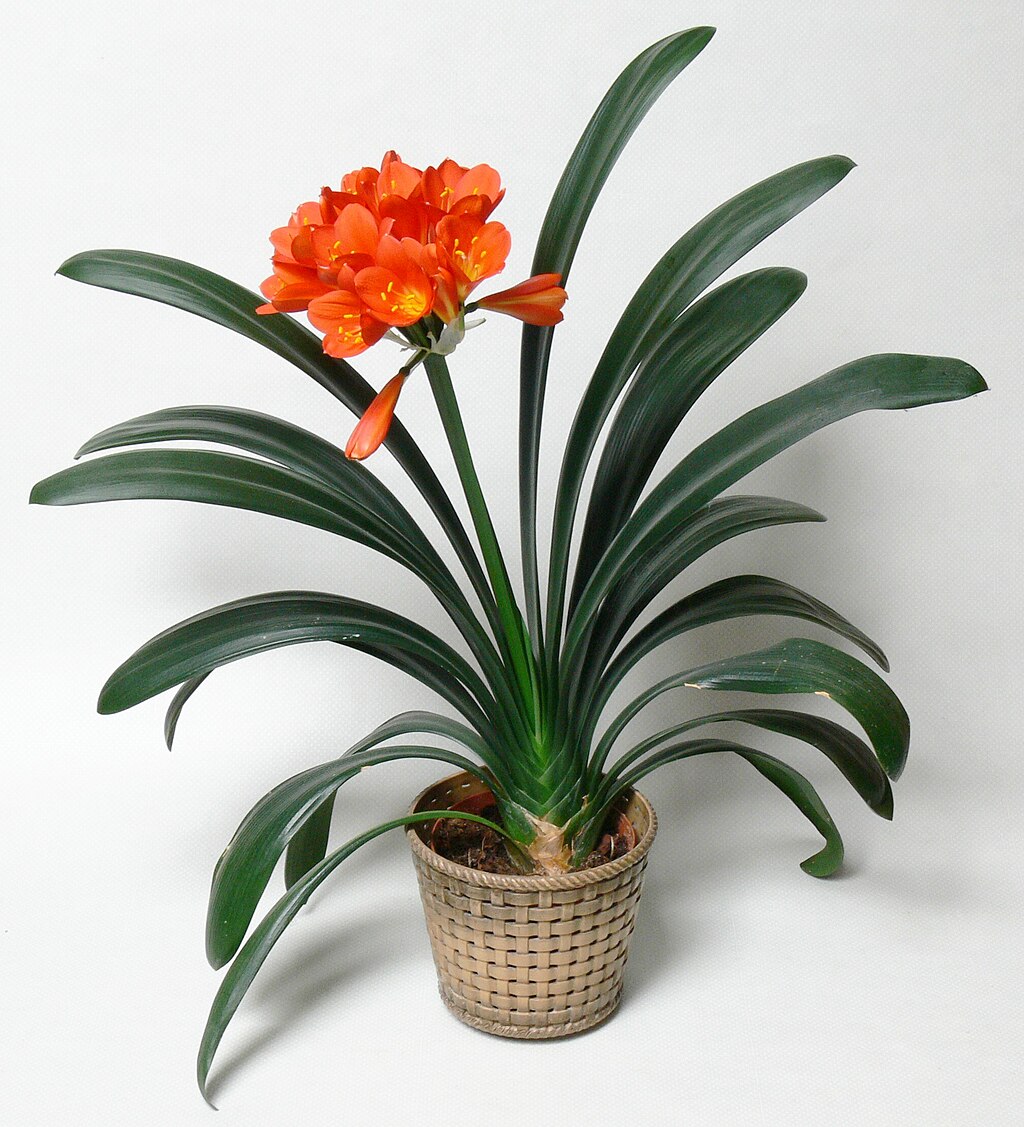
South African summers are harsh on gardens. Heat, wind, and erratic rainfall punish high-maintenance plants. Vibrant summer blooms come from choosing indigenous species adapted to local conditions, not constant watering or feeding. These plants evolved to flower through heat, recover quickly, and support local ecosystems.
Why Indigenous Plants Outperform Exotics
Indigenous plants align with local soils, insects, and weather cycles. They establish faster, require less irrigation, and resist common pests naturally. Their flowering periods often coincide with peak pollinator activity, which strengthens garden health. Once established, most need minimal intervention beyond seasonal pruning.
Long-Flowering Indigenous Performers
Cape marguerite (Dimorphotheca sinuata) thrives in full sun and sandy soil. It flowers continuously through summer with minimal water. Clivia miniata produces clusters of large, trumpet-shaped orange flowers that brighten shaded spots and attract sunbirds and bees, while thriving with minimal care.
Blue plumbago (Plumbago auriculata) spreads gently and flowers relentlessly. It handles coastal wind, inland heat, and light frost. Gazania varieties provide groundcover colour and close flowers at night, reducing water loss. These plants prioritise survival without sacrificing impact.
Designing for Continuous Colour
Stagger plant heights and flowering cycles to avoid gaps. Combine groundcovers with upright shrubs for layered interest. Indigenous grasses add texture and movement between flowering plants. Mulching with organic material helps regulate soil temperature and retain moisture during peak heat.
Water-Wise Maintenance
Deep, infrequent watering encourages strong root systems. Early morning irrigation reduces evaporation and fungal risk. Most indigenous plants suffer more from overwatering than drought. Light pruning after flowering promotes new growth and extends blooming periods naturally.
Supporting Pollinators and Wildlife
Indigenous flowering plants attract bees, butterflies, and nectar-feeding birds. This improves pollination across the garden and nearby areas. Healthy pollinator activity reduces pest outbreaks without chemical intervention. A diverse garden becomes more resilient with each season.
A Smarter Summer Garden
Choosing vibrant summer blooms means less work, lower water use, and stronger visual impact. Indigenous plants reward gardeners with colour, movement, and life throughout summer. The result is a garden that looks abundant while working in harmony with its environment.