Equipment Maintenance Guide: Keeping Your Wood Chipper Running Smoothly
January 30, 2026
Valentine’s Backyard Bliss: Simple DIY Ideas for a Romantic Garden Date Night
February 12, 2026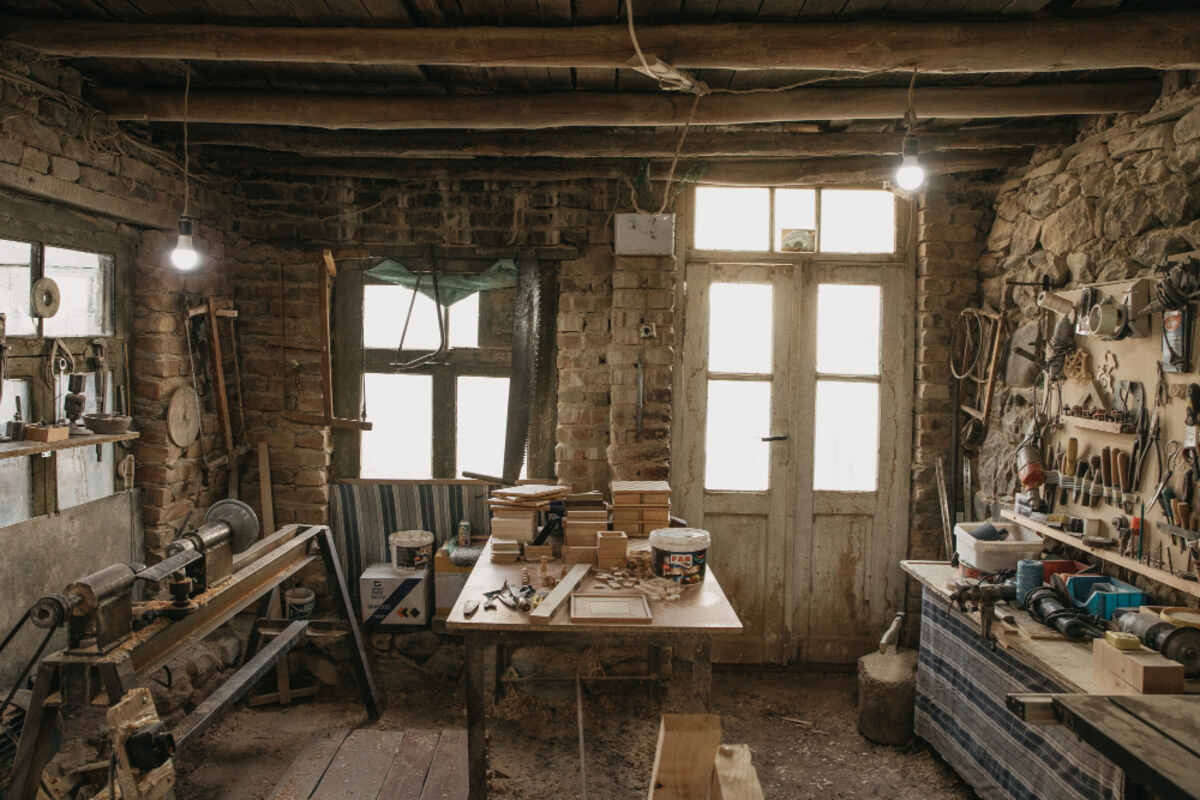
Wood chipping is a skill that combines technique, knowledge, and the right equipment. Using proper wood chipping tools allows operators to work efficiently, safely, and with consistent results. Understanding how each tool functions and how it interacts with different types of material separates casual DIYers from experienced landscapers.
Choosing the Right Chipper for Your Needs
Not all chippers handle the same material. Electric chippers excel with small branches and garden clippings, while petrol-powered machines manage thick limbs and dense brush. Matching machine capacity to the type of wood prevents jams, reduces wear, and ensures faster work. Experienced operators also consider blade type, feed system, and engine power before starting a project.
Accessories That Make Work Safer and Smoother
Beyond the chipper itself, accessories play a critical role. Gloves and eye protection are essential, but feed sticks, pushers, and stabilising ramps maintain control over heavy or awkward branches. These small tools reduce strain, prevent accidents, and allow operators to maintain a steady workflow, especially during long sessions.
Maintaining Your Tools for Longevity
Blades, bearings, and moving parts need regular attention. Sharpening tools, lubricants, and cleaning brushes prevent sap and debris from building up, which can slow down chipping and damage the engine. Scheduling maintenance around usage patterns keeps the machine reliable and extends its service life.
Handling Larger Material Efficiently
When tackling big branches, splitting wedges or axes help prepare wood for feeding. Dollies, tarps, and stacking tools move material safely and keep the workspace organised. Combining these prep tools with a well-maintained chipper allows even challenging jobs to proceed efficiently without risking injury.
Organising a Productive Workspace
Efficiency comes from layout as much as technique. Separate chipped material from unprocessed branches and maintain clear walkways. Storing blades, lubricants, and safety gear within reach ensures operators can focus on the work rather than hunting for tools. A tidy setup reduces errors and fatigue.
Mastering Wood Chipping Tools
Skill develops when operators understand both the tool and the material. Knowing which chipper, blade, or accessory suits the job allows smooth operation and consistent results. With proper wood chipping tools and thoughtful technique, wood chipping becomes faster, safer, and less physically taxing.