

Keeping Mother’s Day Simple and Actually Meaningful
May 4, 2026
10 Benefits of Using Wood Chips as Mulch in Your Garden
May 15, 2026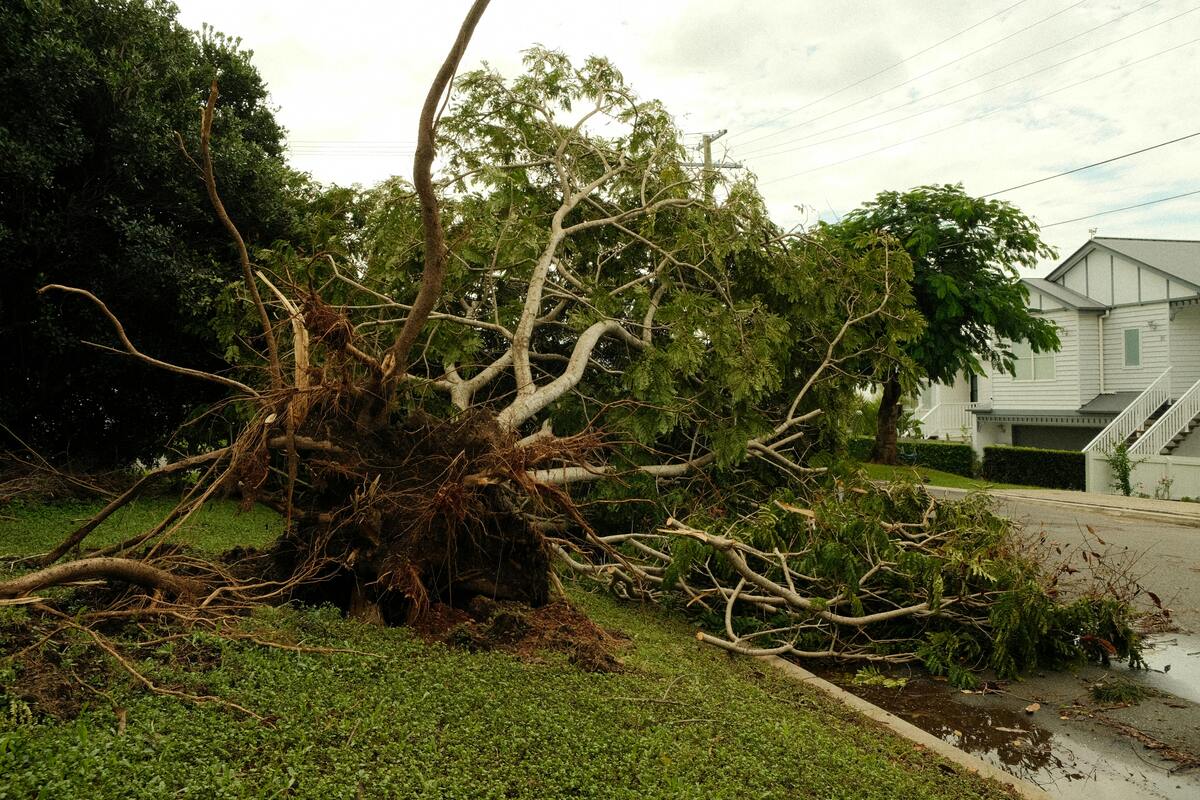
What happens when a storm leaves a tree standing—but not stable? Emergency tree clearing after storms becomes the first controlled response once conditions settle Damage is often obvious at ground level, yet the real risk sits inside the tree structure. Hidden tension, weakened fibres, and unstable root systems turn simple cuts into unpredictable events. To spot these dangers, crews look for cracks running along branches or the trunk, soil heaving or lifting near the base, trees leaning at new angles, or branches tightly pinned under others. These signs often indicate stored pressure (energy built up inside parts of the tree) or weakness inside the tree. Careful assessment, focusing on these visible warnings, reduces those risks and prevents avoidable injury or further collapse.
Why Storm-Damaged Trees Create Serious Risk
Wind and rain rarely bring trees down in a clean way. Trunks twist, fibres stretch beyond normal limits, and branches hold stored force that releases without warning. A single cut can trigger sudden movement when that energy shifts. Access-blocking trees receive immediate attention because they restrict movement for people and emergency services. Leaning or partially uprooted trees carry equal urgency since outward stability often hides internal failure. Many incidents happen after storms, not during them, when weakened trees finally give way under their own weight. Power line proximity increases danger significantly. Limited cutting space reduces control and forces precise decision-making. Even small errors can escalate quickly, which is why safety governs every step of the process. When working near power lines, crews follow strict protocols: utilities are always contacted to de-energise or secure lines before any clearing begins, and minimum safe distances are maintained at all times according to industry standards. Specialised equipment and spotters may be required, and under no circumstances should anyone attempt removal without verified clearance from the power company.
How Professionals Make Decisions Under Pressure
- They begin by reading the tree structure in detail. They assess lean direction, pressure points, and root plate movement before any equipment starts. Storm conditions change how wood behaves, so experienced judgment replaces standard cutting patterns. Restoring access forms the first operational priority.
- Crews clear roads, driveways, and entrances to restore movement and allow emergency access. This step reduces immediate risk to surrounding areas and prevents delays in response services. Cutting sequences follow a controlled release of tension. Each cut removes pressure in stages rather than all at once, reducing the chance of sudden collapse. This method keeps movement predictable and limits damage to nearby structures. Equipment placement supports this control.
- Time pressure always exists after storms, yet controlled execution prevents further damage. Fast cutting without planning increases structural failure and often leads to repeat work. Measured action reduces total downtime and keeps overall recovery safer and more efficient.
What Emergency Tree Clearing Can Include
If one rushed cut can bring an entire tree down unpredictably, is speed really the safest priority? Hazard-only removal focuses on the most dangerous elements. Crews remove unstable trees, broken limbs, and suspended branches while leaving lower-risk debris for later. This approach suits urgent safety needs and insurance assessments. Access restoration prioritises movement. Roads, driveways, and entry points are cleared first so essential services and property access can resume. Remaining debris is handled after immediate risks are removed. Full site clearance addresses all fallen and damaged trees in one operation. Although this requires more resources upfront, it reduces repeated call-outs and limits secondary damage caused by delayed removal.
Final Word From the Field
Storm recovery depends on structure, not speed. Each site presents different forces, and no situation behaves the same way twice. Skilled judgment determines how safely and efficiently the work proceeds. Our team always makes sure to succeed when assessment leads every decision and execution follows controlled steps. Once that discipline is in place, stability returns faster and with far fewer risks to people and property.