

Emergency Tree Clearing After Storms: Safety, Process, and Control When It Counts
May 7, 2026
Why Burning or Dumping Logs Causes Long-Term Problems
May 22, 2026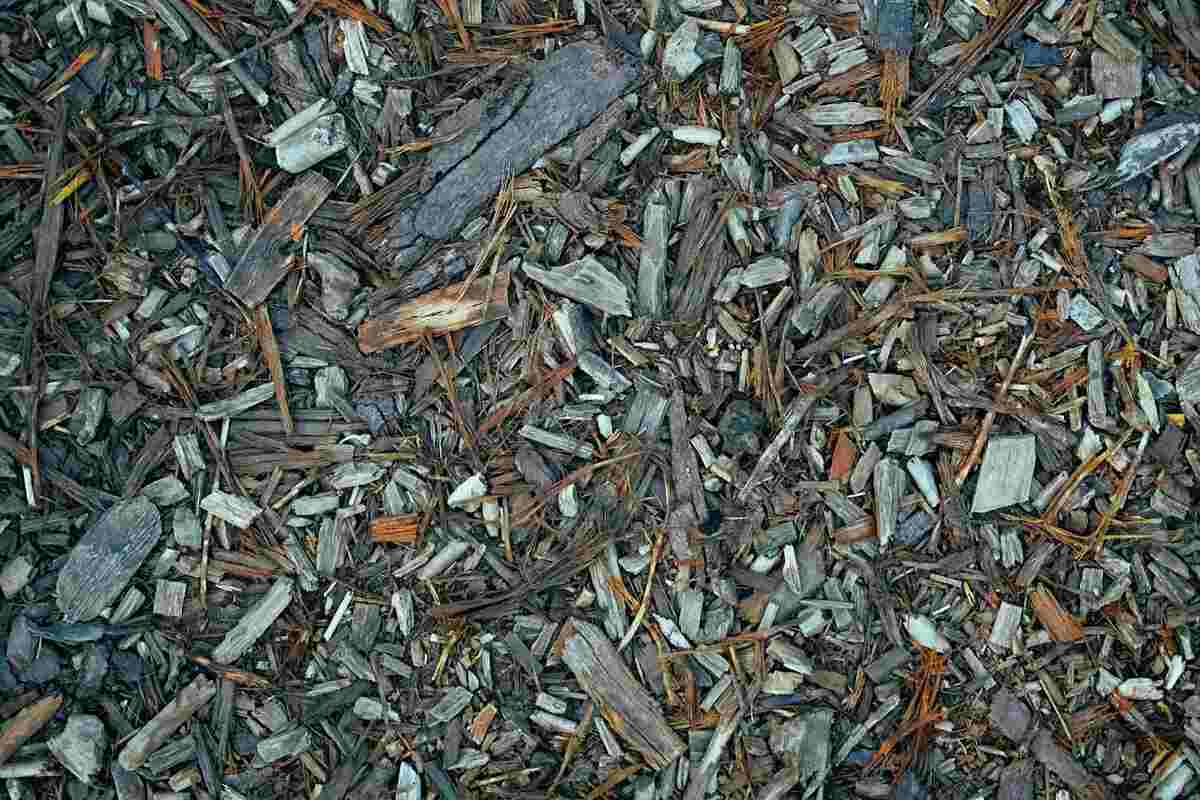
Using wood chips as mulch changes how a garden performs over time, not just how it looks. Many gardeners spread mulch for appearance, yet the real value shows underground. Because wood chips break down slowly, they affect soil physics, biology, and moisture in ways most people never consider. This guide explains those advantages clearly and practically.
1. Wood Chips Regulate Soil Temperature
Soil temperature swings stress roots, yet wood chips act as insulation. During summer, the mulch layer blocks radiant heat, while in winter it reduces heat loss. Because roots grow best in stable temperatures, plants maintain steady growth instead of stalling.
2. Moisture Retention Improves Dramatically
Water loss happens through evaporation, but wood chips interrupt that process. While bare soil dries within hours, mulched soil can stay moist for days longer. Irrigation frequency drops without reducing plant health.
3. Fungal Networks Thrive Beneath the Surface
Most people expect bacteria to dominate soil, but wood chips favor beneficial fungi. These fungi transport nutrients and water directly to plant roots. This underground network expands season after season, and soil fertility increases without added fertilizer.
4. Soil Compaction Reduces Over Time
Hard soil limits oxygen, yet wood chips absorb impact from rain and foot traffic. While the chips decompose, they create pore spaces that loosen soil naturally. Consequently, roots penetrate deeper and access more nutrients.
5. Weed Suppression Works Mechanically
Weeds fail when light disappears, and wood chips block light effectively. Unlike fabric, chips shift and settle, sealing gaps that weeds exploit. Over time, the weed seed bank weakens instead of regenerating.
6. Nitrogen Loss Stays Near the Surface
Many believe wood chips steal nitrogen, but that process stays confined to the top layer. Since plant roots grow deeper, they never compete with microbes breaking down chips. Therefore, plant nutrition remains stable.
7. Beneficial Insects Multiply
Ground beetles, spiders, and predatory insects shelter in wood chips. These insects control pests naturally, so chemical intervention becomes unnecessary. Because this balance develops gradually, gardens gain resilience.
8. Erosion Control Improves Immediately
Rainfall displaces exposed soil quickly, yet wood chips absorb energy on impact. While water filters through, soil stays in place. This matters most on slopes and during heavy storms.
9. Long-Term Cost Drops
Wood chips last longer than straw or compost. Because replacement happens less often, labor and material costs fall. Over several seasons, mulch becomes an investment rather than an expense.
10. Soil Carbon Increases
As chips decompose slowly, carbon stores build up in the soil. Higher carbon improves structure and water retention. This process creates darker, richer soil that performs better under stress.
Final Thought
Using wood chips as mulch delivers benefits that compound year after year. While the surface looks tidy, the real transformation happens underground, where soil biology, structure, and moisture align to support healthier plants with less effort