
What Makes a Landscape Feel Balanced
July 3, 2026
How to Reduce Garden Maintenance Through Better Planning
July 24, 2026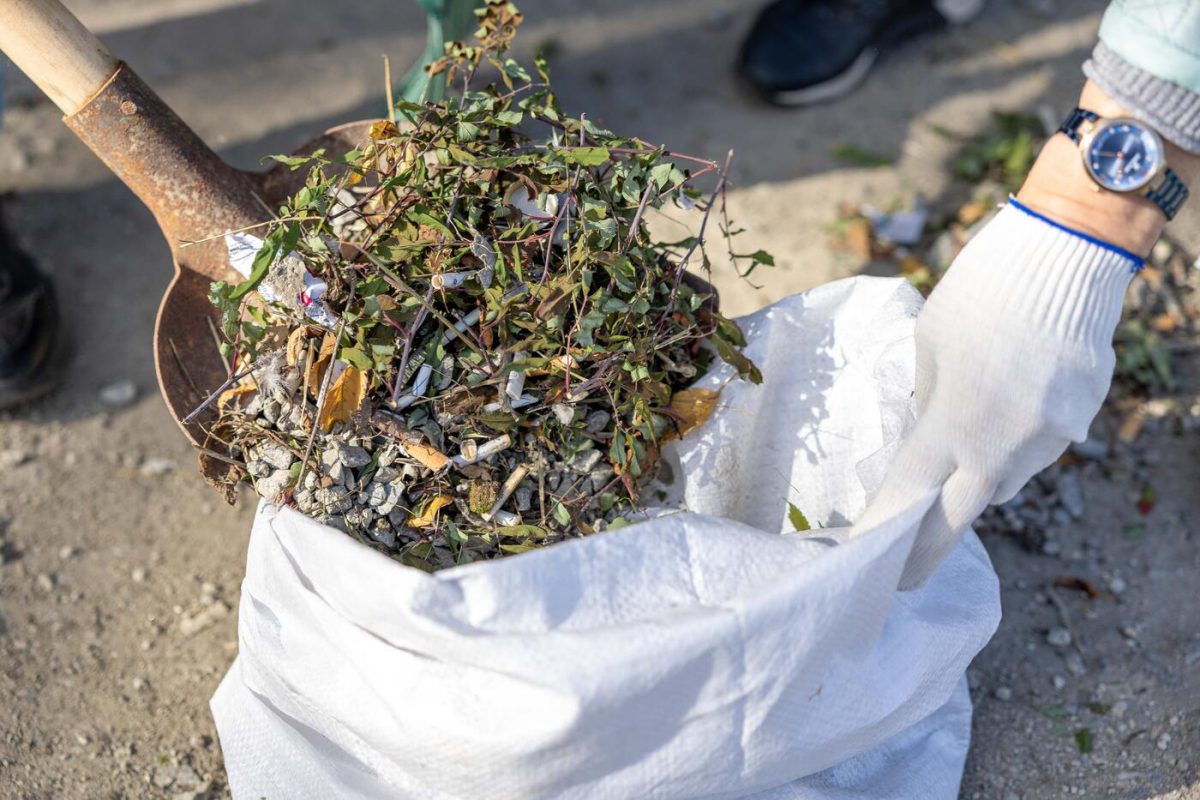
Have you ever stacked branches or garden cuttings in a corner and thought, “I’ll deal with that later”? Most people do. A pile of green waste looks harmless at first, especially when it’s neatly tucked away. What’s easy to miss is how quickly that pile starts changing once it’s left alone. As days pass, moisture builds up inside the heap, temperatures rise, and decay begins. That quiet process creates the perfect conditions for weed seeds, plant diseases, and animals to settle in without drawing attention. By the time you notice a problem elsewhere in the garden, the source often traces back to that one forgotten spot.
How Weed Seeds and Plant Diseases Spread From Green Waste
Green waste rarely contains only clean, healthy plant material. Cut weeds may already carry mature seeds, and pruned branches can hold fungal spores or bacterial infections long after removal. When this material sits together, moisture and warmth help those seeds and pathogens survive rather than break down. Rain splash, wind, and even routine garden work then move these problems outward. You may notice weeds appearing in areas you never struggled with before, or plants developing diseases despite proper care. These issues don’t spread dramatically overnight; instead, they expand slowly from one concentrated source, making the cause easy to overlook.
The Animals You Don’t Expect to Move In
As decomposition continues, green waste piles become warm, sheltered spaces. This environment attracts rodents, snakes, and other small animals looking for cover and food. In many cases, homeowners only realise something has moved in once they notice disturbed soil, damaged plants, or unexpected movement nearby. What starts as a hidden shelter quickly turns into a traffic route. Animals use the pile as a base and move through lawns, beds, and storage areas, creating problems far beyond the original heap.
Why These Problems Escalate So Quickly
Once decay starts, green waste piles change faster than most people expect. Heat, moisture, and biological activity accelerate breakdown while encouraging seeds to spread and animals to settle. Even a small pile can become active beneath the surface long before it looks untidy. This explains why delaying cleanup often leads to bigger issues. The longer waste sits, the more time it has to affect the surrounding garden, turning a simple task into a recurring problem.
A Practical Way to Manage Green Waste
Handling green waste works best when it becomes part of regular garden maintenance. Cutting branches and trimmings into smaller pieces reduces shelter and speeds up breakdown. Clearing waste frequently prevents weed seeds from maturing and removes the stable environment animals rely on. Chipping green waste into mulch offers a long-term solution. Properly chipped material decomposes evenly, helps retain soil moisture, and eliminates the conditions that allow pests and diseases to spread. Instead of causing problems, the waste returns to the garden in a controlled, useful form.
Final Thought
Green waste rarely causes obvious trouble right away. The real impact develops quietly, while everything seems under control on the surface. Staying ahead of buildup protects your garden from weeds, disease, and unwanted wildlife before they take hold. If you look around your garden and notice waste piling up “just for now,” it’s usually the right time to act. Turning green waste into mulch early keeps your space cleaner, healthier, and far easier to manage in the long run. When green waste starts causing problems you cannot see, Cherry Chippers gives you a fast, practical way to turn that risk into clean, usable material instead.