

How to Reduce Garden Maintenance Through Better Planning
July 24, 2026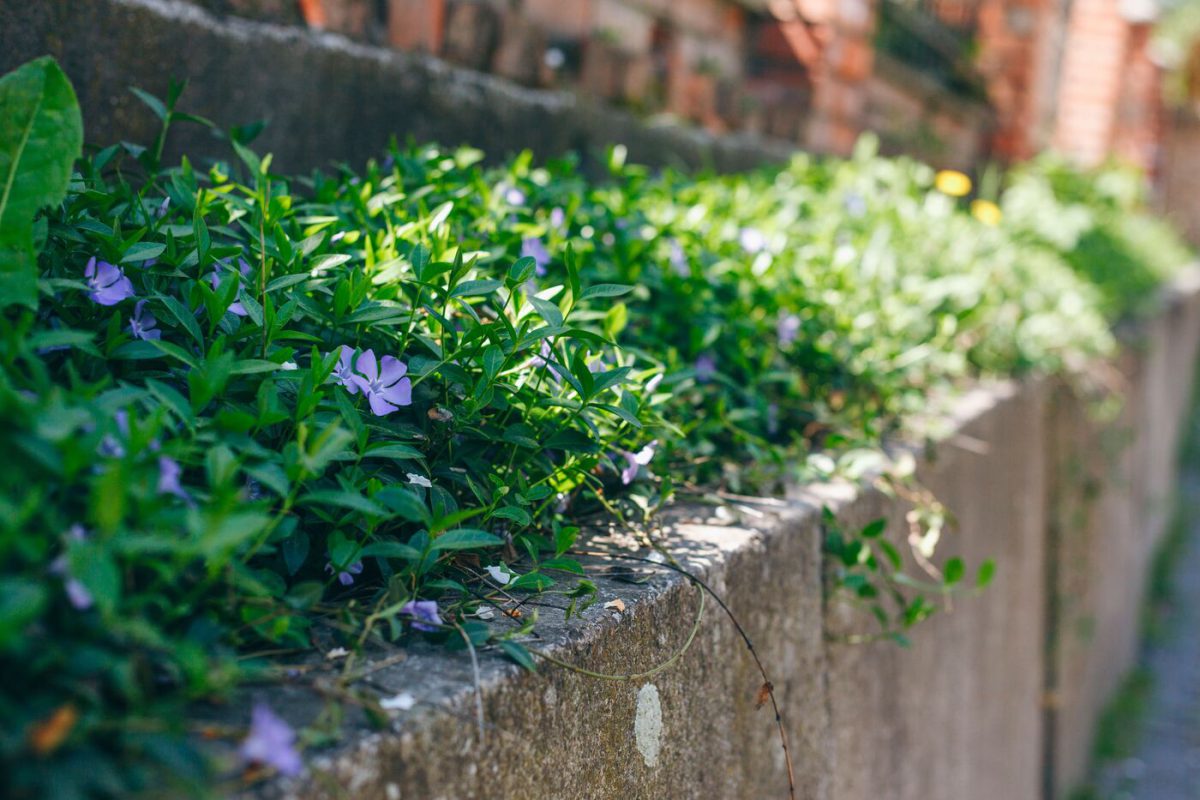
Many gardeners discover that ground covers replace lawns more effectively in areas where grass struggles to grow. Have you ever looked at a patch of struggling grass and wondered whether it is worth the effort? Many lawns need constant mowing, watering, edging, and fertilising, yet some areas never seem to improve. Places beneath trees, narrow strips beside pathways, and sloped sections often stay thin no matter how much care they receive. Instead of fighting these conditions, many gardeners choose ground covers that naturally thrive where lawns struggle. Replacing part of your lawn does not mean giving up green space. It simply means choosing plants that are better suited to the conditions your garden already provides.
Some Areas Were Never Meant for Grass
Grass grows best where it receives plenty of sunlight and has enough space to develop healthy roots. Beneath large trees, however, roots compete for moisture while dense canopies reduce the amount of light reaching the ground. You may have noticed these areas becoming patchy year after year, even after reseeding. Ground covers are often better suited to these difficult spaces. Many species naturally spread across the soil, filling gaps that grass cannot. As they establish themselves, they create an even layer of growth that requires far less attention than a lawn that constantly struggles to survive.In difficult growing conditions, ground covers replace lawns with far less ongoing maintenance
A Healthy Cover Does More Than Fill Empty Space
Once ground covers spread across the soil, they begin changing the way the garden functions. Their leaves shade the surface, reducing evaporation during hot weather while helping the soil stay cooler for longer. At the same time, their roots hold the soil together, making slopes and exposed areas less vulnerable to erosion after heavy rain. You also spend less time pulling weeds because fewer seeds receive enough sunlight to germinate. Instead of solving three separate problems, one planting decision improves several parts of the garden at the same time.
More Plant Variety Creates a Healthier Garden
Have you ever noticed how gardens with different plants always seem more alive? A lawn usually consists of one plant growing across a large space, while ground covers introduce different leaf shapes, flowers, and growing habits that support a wider range of beneficial insects. Flowering varieties provide nectar for bees and butterflies, while dense foliage offers shelter for insects that help keep common garden pests under control. Greater plant diversity also creates a more balanced garden that adapts better to changing seasons.
Choosing the Right Plant Makes All the Difference
Ground covers are not one-size-fits-all plants. Some grow well in full sun, while others perform best beneath established trees or in shaded corners. Looking at your garden before planting often saves far more work later because the right plant naturally fits the conditions instead of constantly needing extra care. Start by identifying the areas where your lawn performs poorly. Those spaces often become the easiest places to replace with suitable ground covers. Once established, they usually require less mowing, less watering, and fewer seasonal repairs than traditional grass.
Final Thought
A successful garden is not about growing more grass. It is about choosing plants that suit the space and allowing nature to do much of the work. Ground covers solve problems that lawns often cannot, while creating healthier soil, supporting wildlife, and reducing ongoing maintenance. If your garden project leaves you with branches, trimmings, or green waste, Cherry Chippers can transform that material into quality mulch that protects your new planting areas, conserves moisture, and helps your ground covers establish more successfully.
