
DIY Bird Feeder Ideas: Attract Helpers for a Low-Maintenance Green Haven
November 6, 2025
Holiday Garden Cleanup: Prune, Chip & Tidy Up Before Christmas
December 10, 2025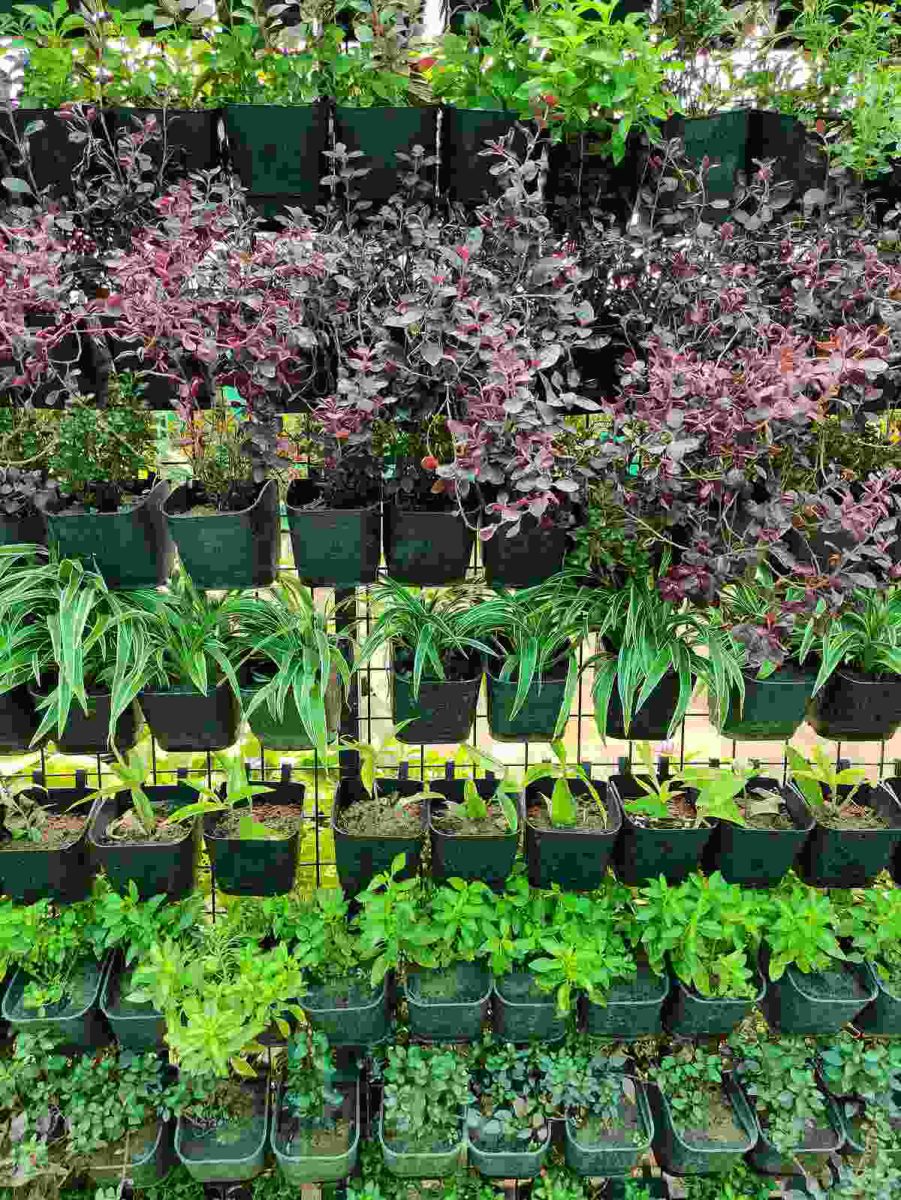
A DIY vertical garden can transform unused wall space into a thriving green feature. Beyond simply saving space, it can improve air quality, reduce heat reflection, and even support small pollinators—all while adding privacy to balconies, courtyards, or narrow patios.
Use Vertical Layers Strategically
Instead of mounting planters randomly, think in tiers. Position moisture-loving plants lower and sun-hungry species higher. This reduces watering waste and ensures all plants get the right light. Small, fast-growing climbers can fill gaps quickly, while trailing varieties soften edges naturally.
Repurpose Everyday Materials
Lattice structures don’t need to be store-bought. Old pallets, wine crates, or lightweight timber can serve as the framework for your vertical garden. Adding hooks, pockets, or planter shelves gives flexibility to swap plants or seasonal arrangements without dismantling the setup.
Incorporate Multi-Functional Features
A vertical garden can double as a privacy screen, windbreak, or even a vertical herb kitchen. Position frequently used herbs at eye level for easy access. Adding small trellises within the larger wall allows climbing plants to weave through, creating natural shade and reducing heat on sunny walls.
Hidden Watering Solutions
Use small drip irrigation tubing tucked behind lattice slats for consistent hydration. If you’re not installing a system, layer gravel at the base of planters to improve drainage and reduce root rot. Shallow reservoirs or self-watering pots at different heights can prevent overwatering while keeping plants healthy.
Mix Textures for Interest and Resilience
Combine succulents, ferns, flowering climbers, and leafy shrubs for variation. Mixing thick-leaved and delicate foliage increases resilience to sun, wind, or irregular watering. Some trailing plants act as natural mulch for lower layers, keeping roots cooler and reducing evaporation.
Think Small-Scale Pollinator Habitats
Even a small vertical wall can support bees, butterflies, and beneficial insects. Include native flowering plants or herbs like buchu or rosemary to attract pollinators. This not only enhances biodiversity but encourages fruiting and flowering for other plants in your garden.
Plan for Seasonal Rotation
A vertical garden doesn’t have to be static. Use modular pockets or removable pots so you can rotate plants with the seasons. Hardy evergreens provide structure in winter, while fast-blooming annuals add seasonal pops of color without taking over the wall permanently.
Enjoy a Functional Green Wall
A thoughtfully designed DIY vertical garden is more than decoration. It creates privacy, improves microclimates, and encourages biodiversity, all while requiring minimal effort once established. With careful plant selection, irrigation planning, and layering, your wall can be both practical and visually striking.