Vibrant Summer Blooms: Easy-Care Indigenous Plants for Non-Stop Colour
January 8, 2026
Summer Gardening: Low-Effort Vegetable Harvests and Pruning Tricks
January 22, 2026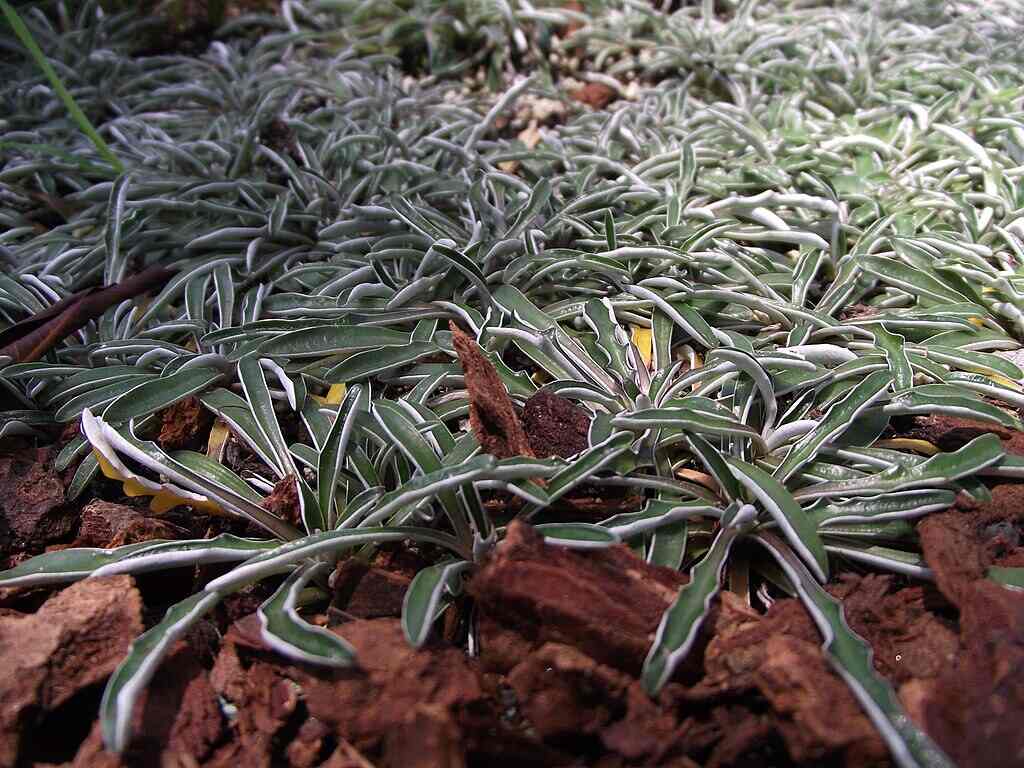
South African gardens face long dry spells, intense sun, and uneven rainfall. Drought-resistant grasses suit these conditions because they evolved to handle heat and water stress. Choosing climate-appropriate plants reduces irrigation demands and improves garden resilience. With informed selection, landscapes remain attractive despite ongoing water restrictions.
The Difference Between Grasses and Groundcovers
Grasses grow upright and form clumps or soft tufts. They add height, movement, and structure to garden beds. Groundcovers spread horizontally and cover exposed soil. Their main role is moisture retention, weed suppression, and temperature regulation. Understanding this distinction helps gardeners choose plants based on purpose, not appearance.
Grasses That Perform Well in South Africa
Many grasses thrive naturally in local conditions. Indigenous options like buffalo grass and thatching grass tolerate heat and low rainfall well. Love grass works beautifully in natural or coastal gardens. Once established, these grasses survive on rainfall alone and require minimal maintenance.
Groundcovers Suited to Local Climates
Groundcovers must handle sun, wind, and poor soil. Gazania performs exceptionally well in hot, dry areas and coastal regions. Ice plant spreads quickly and stores water in its leaves. Dymondia works well between paving and tolerates light foot traffic. These choices suit water-wise landscapes across South Africa.
Combining Plants for Water Efficiency
Use grasses as focal points or boundary plants. Fill surrounding spaces with spreading groundcovers to protect soil. This layered planting reduces evaporation and limits weed growth. Midway through garden planning, Drought-resistant grasses help anchor designs while groundcovers complete coverage.
Planting and Establishment Tips
Prepare soil thoroughly to encourage deep root growth. Water deeply during the first season only. Apply mulch to retain moisture and regulate temperature. After establishment, reduce watering significantly to promote drought tolerance.
Structure, Texture, and Simplicity
Successful water-wise design focuses on form rather than constant colour. Grasses provide architectural shape and seasonal movement, while groundcovers create clean, grounded surfaces. This contrast delivers depth and texture with minimal maintenance. The result is a landscape that feels intentional, modern, and resilient.