DIY Hydroponics Setup: Build Your Soil-Free Garden Step by Step
October 16, 2025
Quick DIY Compost Bin from Pallets: Sustainable Soil Boost for Busy Gardeners
October 23, 2025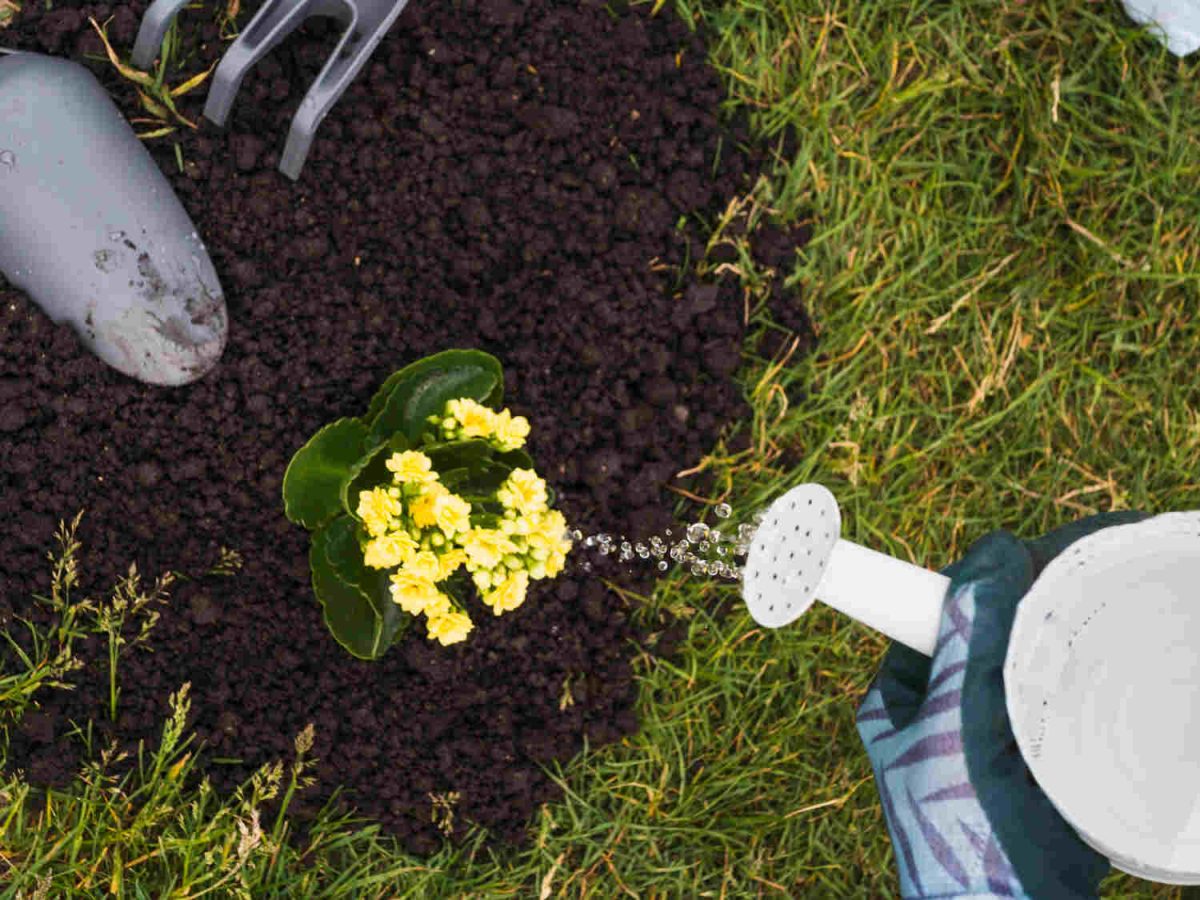
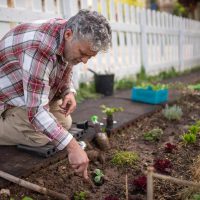
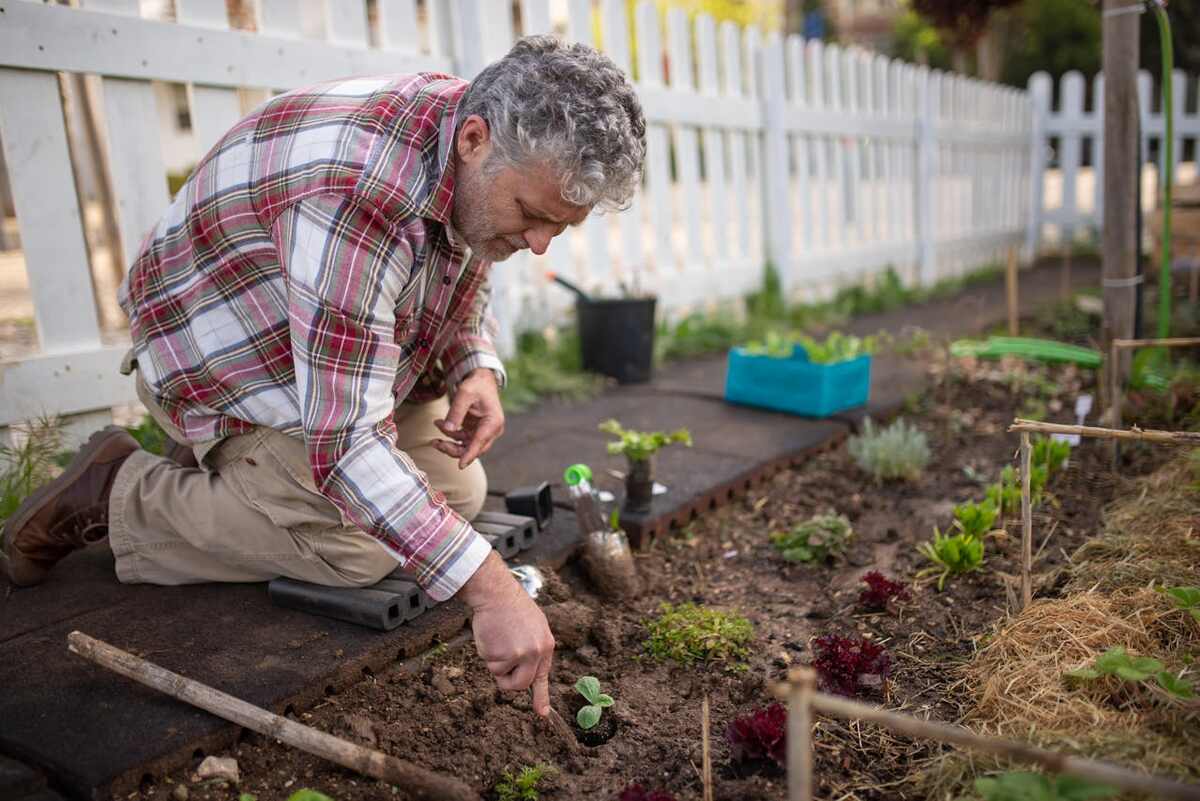
As winter ends, plants wake from dormancy and pests begin to emerge. The great garden thaw is the moment to prepare your garden for healthy growth while minimizing work. Following seasonal timelines and simple strategies promotes strong, pest-resistant plants with minimal effort.
Early Spring: Assess, Prune, and Protect Buds
Inspect your garden for winter damage. Dead branches, brittle stems, and fallen debris can harbor pests and disease. Pruning encourages airflow and sunlight, strengthening plants. Focus on removing weak or crossing branches while protecting early buds to ensure blooms aren’t accidentally removed. Clean, sharp tools reduce the risk of infection.
Pest Awareness and Bloom Protection
As buds begin to open, insects and larvae target both leaves and flowers. Check stems and petals for aphids, mites, or slugs. Handpick pests or use low-toxicity treatments when needed. Mulching around bloom bases helps retain moisture and discourages crawling pests. Early intervention safeguards flowers without repeated effort.
Fertilizing for Growth and Flowers
Spring is ideal for feeding plants after dormancy. Apply slow-release fertilizers to support both roots and blooms. Organic compost enriches soil and promotes stronger flowering. Lightly loosen soil around perennials to improve aeration. Healthy roots lead to more vibrant and resilient blooms.
Watering, Microclimates, and Bloom Longevity
Consistent moisture is critical as temperatures rise. Early morning watering prevents fungal disease and gives roots hydration for healthy foliage and flowers. Group plants by sun and shade requirements to create microclimates that reduce stress. Proper watering helps blooms last longer and ensures plants stay vigorous.
Maintenance Made Simple
Routine checks during the great garden thaw prevent major issues. Remove weeds, tidy mulch beds, and inspect flowers for early signs of disease or pest damage. Small, regular efforts maintain garden health and sets the stage for flourishing plants, vibrant blooms, and a low-maintenance, pest-resistant garden all season.