
How Trees Influence the Temperature Around Your Home
June 12, 2026
How Natural Landscapes Influence Neighbourhood Appeal
June 26, 2026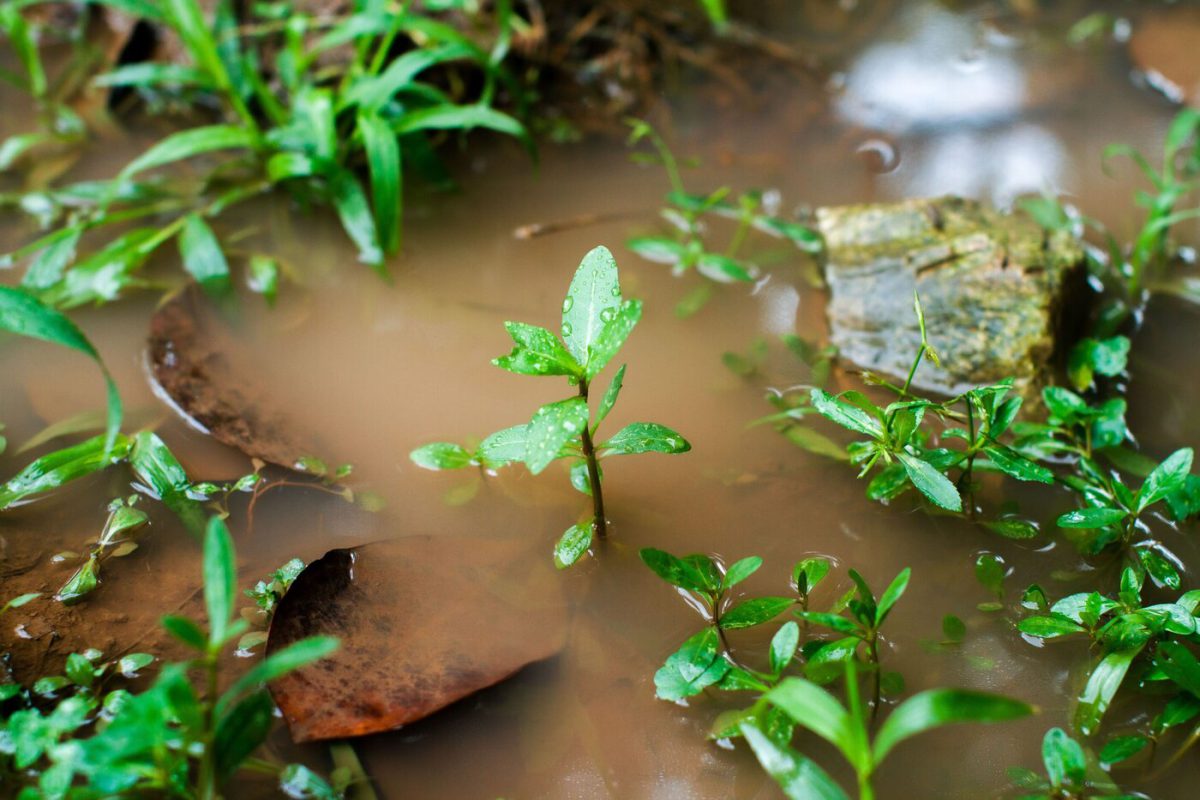
Water absorption plays a major role in how a garden handles rainfall. Does water pool in your garden after rain while your neighbour’s soil absorbs it with ease? Many people blame the weather, yet the real cause often sits beneath their feet. The difference usually comes down to soil structure. Healthy soil absorbs and stores water. Poor soil sheds it. Understanding why this happens helps you fix the problem before runoff causes erosion, nutrient loss, and struggling plants. Have you ever wondered why water disappears into one garden but sits on the surface of another?
Problem: Compacted Soil Blocks Water
Good water absorption depends on soil structure, organic matter, and healthy biological activity. Healthy soil contains thousands of tiny spaces that allow water to move downward. Compacted soil loses those spaces, so water stays on the surface instead. Foot traffic, vehicles, and repeated mowing gradually press soil particles together. Water then runs across the garden rather than soaking in
Solution: Reduce Pressure on the Soil
Avoid unnecessarytraffic on wet ground because wet soil compacts more easily. Add organic material to encourage natural loosening over time. In severe cases, mechanical aeration can help break up compacted layers. Organic materials such as compost and wood chips then help maintain those improvements by supporting soil organisms that naturally create pores and channels.
Problem: Low Organic Matter Reduces Absorption
Organic matter acts like a sponge. Soil rich in decomposed leaves, mulch, and plant material holds far more moisture than soil with little organic content. Organic matter helps bind soil particles into stable aggregates. Without it, soil structure weakens and water moves less efficiently through the profile. This often creates a frustrating cycle where gardens become both waterlogged during storms and dry during hot weather.
Solution: Feed the Soil
Apply compost, mulch, or wood chips regularly. Organic matter breaks down gradually, so regular applications provide the best results. Mulch layers also protect the soil surface from direct rainfall and help reduce moisture loss between watering cycles. As organic material decomposes, it improves soil structure and supports the microorganisms that help move water through the soil more efficiently. This ongoing process helps create a garden that absorbs rainfall better and remains healthier during dry periods.
Problem: Surface Crusting Stops Infiltration
Some soils develop a hard crust after rainfall. Tiny particles settle on the surface and form a seal as they dry. Surface crusting develops when raindrops break apart soil aggregates. Fine particles then settle into surface pores and create a seal as they dry. Seedlings often struggle in these conditions because young roots cannot push through the hardened layer
Solution: Protect the Surface
Keep soil covered with mulch. The mulch layer softens the impact of raindrops, while it helps prevent crust formation. Mulch also reduces direct exposure to sun and wind, so the soil surface remains more stable between rainfall events. Over time, organic mulches break down and contribute material that supports better water movement and infiltration.
Problem: Poor Soil Life Slows Water Movement
Healthy soil contains earthworms, fungi, and microorganisms. These organisms create tunnels and channels that guide water deeper into the ground. Earthworms create tunnels that guide water deeper into the soil. Fungi help bind particles together, while microorganisms recycle organic material into forms that improve structure. Without these natural processes, infiltration rates often decline significantly.
Solution: Support Biological Activity
Leave organic material on the soil surface and avoid excessive disturbance. Soil organisms thrive when food sources remain available. Mulch, compost, and decomposing plant material provide a steady supply of nutrients, while they create conditions that encourage earthworms, fungi, and beneficial microbes to remain active. Over time, this biological activity helps maintain the channels and aggregates that improve water movement through the soil.
Try Codex for high-intent wo
Problem: Shallow Root Systems Create Weak Soil
Roots do more than support plants. They create pathways for water and help hold soil together. Deep roots improve more than plant stability. As roots grow and die, they leave behind channels that continue moving water through the soil. Gardens with diverse, deep-rooted plants often absorb rainfall more efficiently than those with shallow-rooted vegetation.
Solution: Encourage Deep Root Growth
Maintain healthy soil conditions and avoid overwatering. Roots grow deeper when they search for moisture, so the soil becomes more stable over time. Deep root systems create natural channels that help move water further into the ground, while they improve the soil’s ability to withstand erosion. Adding organic material and reducing compaction can also encourage stronger root development and better water absorption.
Why Healthy Soil Absorbs More Water
If rain falls on every garden equally, why do some landscapes stay healthy while others lose water almost immediately? Healthy soil behaves like a sponge and a drainage system at the same time. Large pores allow excess water to move downward, while smaller pores hold moisture for later use. Researchers have found that healthy soil can absorb rainfall several times faster than degraded soil. During heavy storms, this difference often determines whether water enters the ground or washes valuable topsoil away.
Final Thought
Water runoff is often a soil problem, not a rainfall problem. Healthy soil manages water naturally, while compacted soil struggles to absorb even moderate rainfall. Small changes made consistently can transform runoff-prone gardens into landscapes that capture, store, and use water more effectively. If your garden produces branches, leaves, and green waste, Cherry Chippers can turn that material into valuable mulch that helps improve soil structure and supports better water absorption over time.