

How to Prepare Your Garden Before Tree Removal
June 5, 2026
Why Water Runs Off Some Gardens and Soaks Into Others
June 19, 2026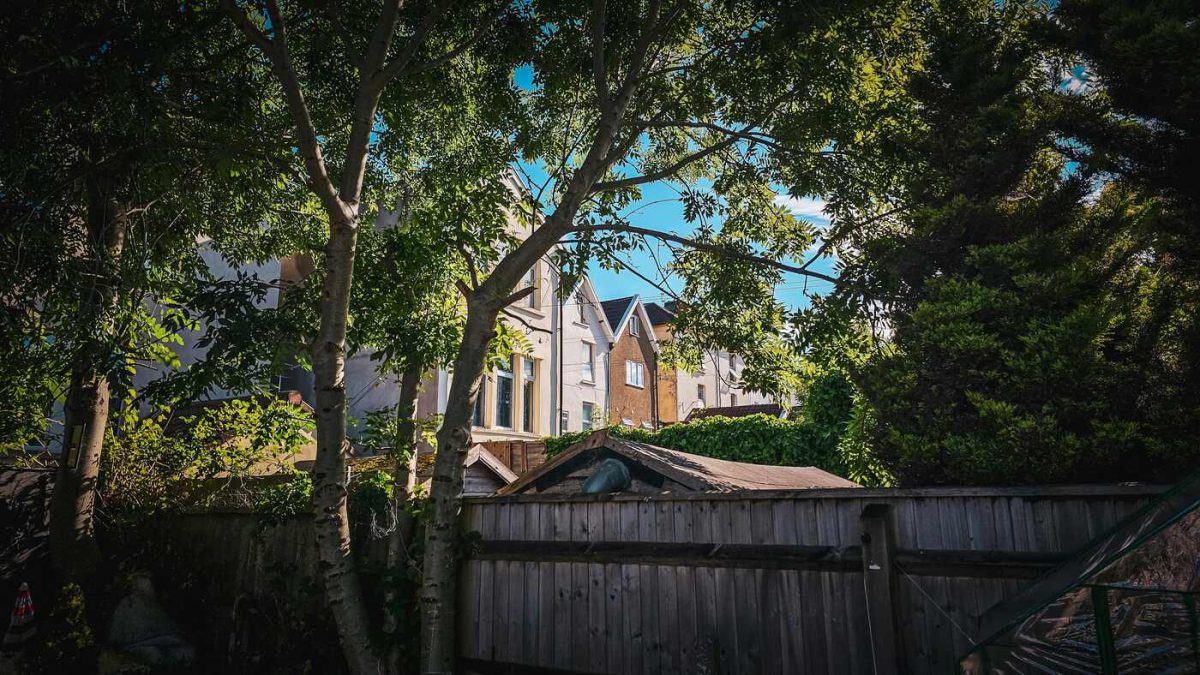
Trees influence home temperature in ways many homeowners never notice. Beyond providing shade, they affect airflow, moisture levels, and heat absorption across an entire property. A well-placed tree can change how heat moves through outdoor spaces, while groups of mature trees can create noticeably cooler conditions around a home. This cooling effect matters in South Africa, where summer temperatures place extra pressure on homes and gardens. Over time, the benefits extend beyond comfort. Outdoor areas remain more usable during hot weather, and hard surfaces absorb less heat throughout the day.
1. Trees Block Solar Heat Before It Reaches Your Home
Sunlight heats roofs, walls, paving, and windows throughout the day. Those surfaces absorb energy and gradually release it as heat. Trees interrupt that process by blocking a portion of the sun’s radiation before it reaches the ground. Research has shown that shaded surfaces remain significantly cooler than those exposed to direct sunlight. A paved driveway can become extremely hot during summer, yet a shaded section often feels noticeably cooler underfoot. Tree placement also matters. Trees positioned near western-facing walls and windows help reduce afternoon heat, which is typically the hottest part of the day. Homes with effective shade often experience less heat buildup around surrounding outdoor areas.
2. Trees Cool the Air Through Water Movement
Trees cool more than the surfaces beneath them. They also influence the temperature of the surrounding air through a process known as transpiration. Roots absorb water from the soil and move it through the tree. Leaves then release some of that water into the atmosphere as water vapour. During this process, energy leaves the surrounding air, creating a cooling effect. The change may seem small around a single tree. Larger groups of trees, however, can create noticeably cooler microclimates. This effect helps explain why parks, established gardens, and tree-lined streets often feel cooler than nearby open areas.
3. The Difference Between Shade and Reflected Heat
Most people focus on direct sunlight when thinking about heat. Reflected heat, meanwhile, often contributes just as much to uncomfortable conditions around a property. Concrete, paving, brickwork, and roofing materials absorb large amounts of heat during the day. They continue releasing that stored heat long after the sun has moved on. Trees reduce this effect by shading those surfaces before they heat up. A shaded patio often feels cooler, not only because the sun is blocked overhead. The surrounding surfaces also release less stored heat into the area.
4. Trees Influence Wind Movement
Trees can affect airflow around a property in several ways. Strategic placement may slow strong winds, while proper spacing allows cooling breezes to move through outdoor areas. This balance becomes important during the summer. Dense vegetation can restrict airflow if left unmanaged. Regular pruning helps maintain healthy growth while allowing natural ventilation through the garden. Many homeowners focus only on shade, yet airflow plays an important role in outdoor comfort.
5. Why Mature Trees Provide Greater Cooling Benefits
Young trees provide shade, but mature trees deliver far greater cooling benefits. Larger canopies cover more ground, intercept more sunlight, and support greater levels of transpiration. Mature trees also influence temperatures throughout the day. Their extensive canopy cover reduces heat buildup over larger areas, helping create more stable outdoor conditions. Established trees often become one of the most valuable long-term features on a property.
6. Managing Trees for Long-Term Benefits
Healthy trees provide the greatest cooling effect. Regular maintenance supports healthy growth and helps preserve structural stability. Dead branches, overcrowded canopies, and unmanaged growth can affect a tree’s performance over time. Professional assessments help identify problems before they become safety concerns or impact the tree’s health. At Cherry Chippers, we understand the important role trees play in residential landscapes. Responsible tree management helps homeowners maintain safe properties while preserving the practical benefits that mature trees provide.
Final Thought
Trees influence home temperature through shade, airflow, moisture movement, and reduced heat absorption. These effects work together to create cooler outdoor spaces and more comfortable surroundings throughout the year. Many homeowners notice the difference only after mature tree cover disappears. A property that once felt cool and sheltered can suddenly feel exposed during the hottest parts of the day. The true cooling power of trees unfolds over time, as their combined effects on shade, moisture, and airflow create a more comfortable, valuable property year after year. Healthy trees deliver those benefits most effectively. Proper maintenance helps preserve their structure, supports long-term growth, and ensures they continue contributing to the comfort of your property for decades to come.